

Like most assistive technology devices, the Lotus Ring was born out of a simple problem. Born with twisted knees, Apple engineer Dhaval Patel established a routine of flipping off the wall switch for his lights before going to bed. But he forgot one night, and because he was too physically tired to get back up and climb onto his crutches, he slept — poorly — with the lights on.
With the Lotus Ring he invented, Patel can simply point toward the lights and click them off. No need for apps, rewiring or an internet connection. This is similar to a smart home solution … but it’s one you can take with you anywhere.
Using magnetic covers that snap onto any existing wall switch, the Lotus Ring kit makes any space accessible within seconds by connecting to the switch via infrared — the same way a remote connects to a TV.
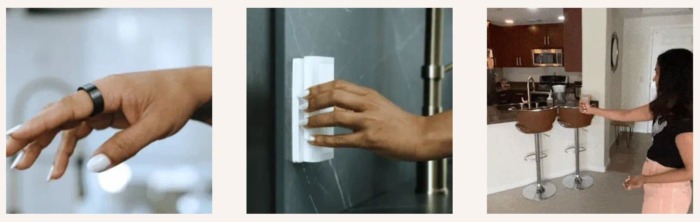
The Lotus Ring controls anything a wall switch controls — lights, fans, TVs, a garbage disposal, etc. This product helps a wide variety of people — from wheelchair users to parents busy chasing kids around the house.
The Lotus Ring kit, which is now available from our Lending Library, comes with a size-12 ring, three switch covers, a power cord with a box and a charging platform. To learn more about the Lotus Ring kit or to borrow it from us, please visit this page.


Drift Boss is suitable for everyone, whether you are a racing enthusiast or simply looking for a relaxing but challenging game.
This is a great example of how necessity truly is the mother of invention! It’s inspiring to see how Dhaval Patel used his engineering skills to overcome a personal challenge. The portability of the Lotus Ring is what really sets it apart. It makes me think about other everyday tasks that could be simplified with similar wearable tech. Maybe there will be an Eggy Car equivalent for controlling our vehicles without needing keys someday!
This is a really interesting look at the Lotus Ring! It’s amazing how a simple need can spark such innovative assistive technology. I’m always impressed by how technology can improve everyday life for people facing physical challenges. I’m excited to see more examples like this.
This is a really insightful post! The Lotus Ring sounds like an incredibly clever solution to a common problem, and it’s great to see how assistive technology is evolving to improve everyday life. I’m always amazed by the ingenuity and passion behind these kinds of innovations.
This story really resonates—it’s amazing how a simple nighttime struggle inspired such a thoughtful solution. Thanks for sharing Patel’s journey.
The detail about Dhaval Patel being too tired to get back onto crutches just to switch off a light makes the Lotus Ring’s value very tangible. For teams explaining assistive tools like this, Veol’s AI icon maker アイコン作成 を、言葉から数十秒で could be a useful resource for creating clear, accessible visual cues.
This is such a thoughtful invention! It’s inspiring how a personal struggle led to a simple solution—no apps, rewiring, or internet, just pointing and clicking. The magnetic covers and infrared idea feel cleverly practical.
The Lotus Ring’s background story is a good reminder of how many assistive devices start with one person’s everyday difficulty, like Patel’s struggle with the light switch. Offering it through a lending library also makes it easier for people to try before committing.
The Lotus Ring is a clever example of assistive tech that removes a daily barrier — controlling wall switches by pointing at them, with no apps or rewiring needed. The story of how Dhaval Patel built it from a personal problem makes it especially relatable, and it’s great that it’s available through the Lending Library.
The origin story is concrete: Dhaval Patel had already built a routine of flipping the wall switch from his crutches, then one night was too tired to get back up and slept with the lights on, which is what led to the Lotus Ring. That kind of everyday photo of a person in their own space is also how I’ve been making a short rap clip in the browser — one still, a few lines, then download the MP4 — when filming isn’t realistic: https://rapaivideo.org/